Events & Festivals

Events & Festivals

Festival Economics: Commerce and Community

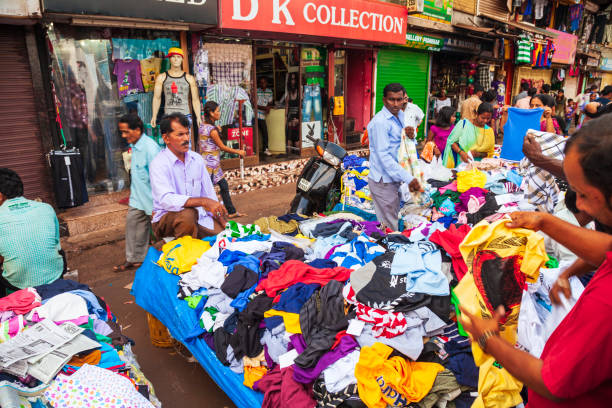
Vijayapura festivals generate significant economic activity while strengthening social bonds. Local businesses—from flower vendors to sweet shops, textile merchants to decoration specialists—see increased sales during festival seasons, supporting local crafts and traditional skills. Festival-related economic activity contributes significantly to Vijayapura’s local economy, supporting families whose livelihoods depend on seasonal celebrations. This includes temporary employment opportunities for many workers during peak festival periods.

Events & Festivals

Seasonal Celebrations: Harvest and Nature Festivals

The agricultural calendar deeply influences Vijayapura’s festival rhythm. Makar Sankranti in January marks the harvest of sugarcane and the preparation of traditional sweets like ellu-bella (sesame and jaggery mixture). Villages surrounding the city organize kite-flying competitions, with the sky becoming a canvas of colorful paper birds. Sankranti celebrations include prayers for good crops, exchange of sweets with neighbors, and strengthening of community relationships. The festivals serve as reminders of the importance of community support in agricultural life. Holi, the festival of colors, transforms Vijayapura’s streets into rainbow-hued celebration grounds. The traditional gulal (colored powder) mixed with locally-grown flowers creates a sensory explosion that brings strangers together in joyful chaos. Local preparation of natural colors using turmeric, indigo, and dried flowers has become an art form passed down through generations.

Events & Festivals

Eid Celebrations: Harmony in Diversity

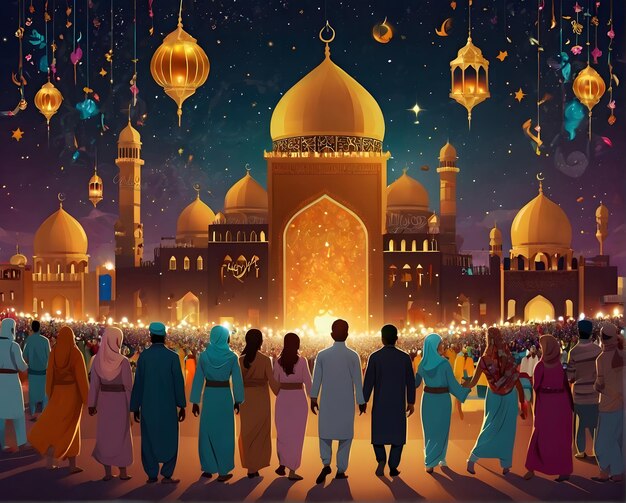
Vijayapura’s Islamic heritage, dating back to the Bahmani and Adil Shahi periods, finds its most vibrant expression during Eid ul-Fitr and Eid ul-Adha celebrations. The city’s numerous mosques, including the iconic Jama Masjid, become centers of community gathering and spiritual reflection. Eid celebrations in Vijayapura are known for bringing communities together across religious boundaries. Traditional foods like sheer korma, kebabs, and biryani are shared among neighbors, fostering interfaith harmony. The traditional Eid markets that spring up around the Bara Kaman area become melting pots of cultural exchange. Tailors work overtime creating new clothes, sweet shops prepare traditional delicacies, and the aroma of dum biryani wafts through the narrow lanes of the old city. Vijayapura’s Eid celebrations attract visitors from neighboring districts, drawn by the city’s reputation for communal harmony and authentic traditional preparations. The festival showcases how religious celebrations can become vehicles for social cohesion.

Events & Festivals

Gombe Habba: When Dolls Tell Stories

Coinciding with Navarathri, the tradition of Gombe Habba (doll festival) transforms homes across Vijayapura into miniature museums of mythology and creativity. This centuries-old Karnataka tradition sees families, particularly women and children, arranging elaborate displays of dolls depicting scenes from Hindu epics, historical events, and contemporary themes. Families across various neighborhoods open their homes to visitors during the festival, showcasing collections that have been passed down through generations. The displays often feature themes related to mythology, history, and local culture, including depictions of Vijayapura’s monuments. The social aspect of Gombe Habba is as important as its artistic merit. Neighbors visit each other’s displays, sharing stories behind the arrangements while children learn about mythology and history through visual storytelling. According to local tradition, odd numbers of steps (usually seven or nine) are used for the doll displays, each level representing different realms of existence. Gombe Habba preserves cultural narratives in an accessible way. These displays make ancient stories vivid and memorable for children, serving as effective means of cultural transmission across generations.

Events & Festivals

The Nine Nights of Divine Grace: Navarathri Celebrations

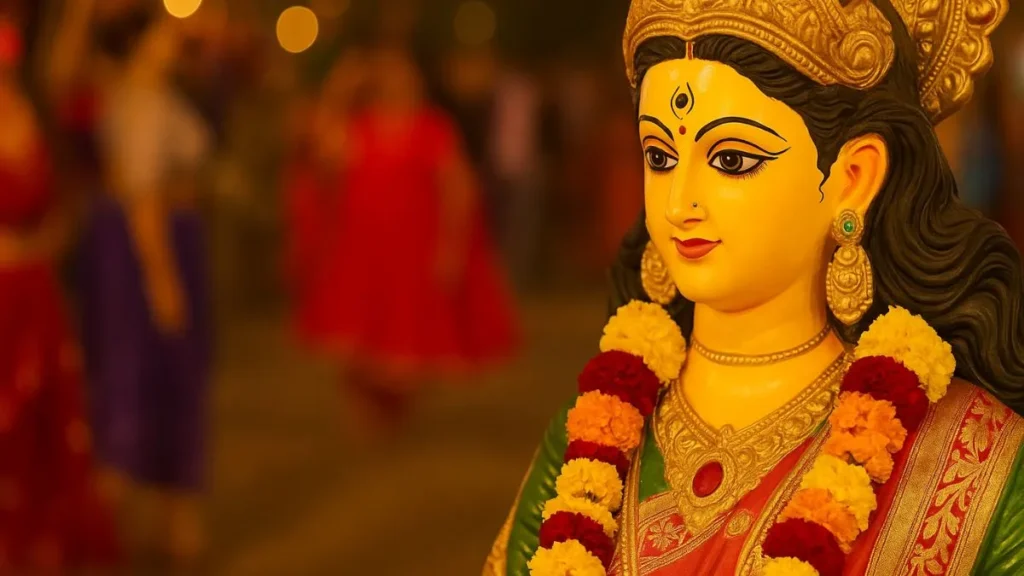
Every September-October, as the monsoon retreats and cooler evenings beckon, Vijayapura transforms into a spiritual amphitheater during the nine-day Navarathri festival. The celebration honors Goddess Durga in her nine manifestations, and the city’s neighborhoods come alive with pandals (temporary structures) housing elaborately decorated deities. Community members across neighborhoods organize Navarathri celebrations, with preparations beginning weeks in advance. Families contribute in various ways—some donate funds, others help with decorations, and many volunteer their time for cooking prasadam (blessed food). These collaborative efforts strengthen community bonds throughout the year. Vijayapura hosts numerous Navarathri celebrations across various neighborhoods, with the largest ones attracting thousands of devotees daily. The Kalyan Karnataka region, of which Vijayapura is a part, sees some of North Karnataka’s most elaborate Navarathri festivities. The festival’s significance extends beyond religious observance. During these nine days, communities unite in devotion through shared meals, collective prayers, and cultural programs that create bonds lasting throughout the year. Food plays a central role in these celebrations. Traditional dishes like jolada rotti (sorghum flatbread), enne badnekai (stuffed brinjal), and the sweet churumuri made from puffed rice are prepared in community kitchens, bringing people together through the preparation and sharing of traditional meals.